Shell & Tube Heat Exchangers Boost Industrial Efficiency and Optimize Energy Usage
Efficient heat management is essential for industries that depend on consistent temperatures and reliable production processes. A Shell & Tube Heat Exchanger transfers heat between two fluids to support industrial heating, cooling, and heat recovery applications. Its practical design and adaptable configuration suit a wide range of operating conditions.
Nisha Heat Exchanger offers solutions for industrial heat-transfer needs. Businesses looking for Nisha Shell & Tube Heat Exchangers in Ahmedabad, Gujarat, or elsewhere in India can explore the equipment's working principle, key benefits, and applications to find a solution for their processes.
What Are Nisha Shell & Tube Heat Exchangers
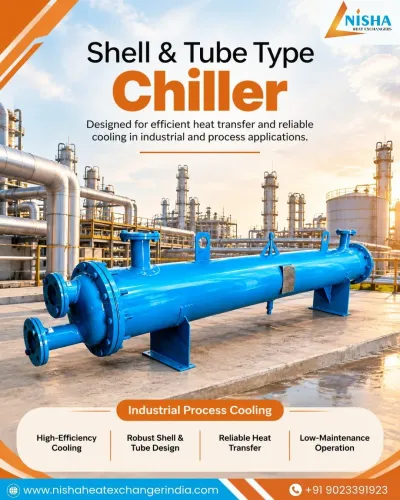
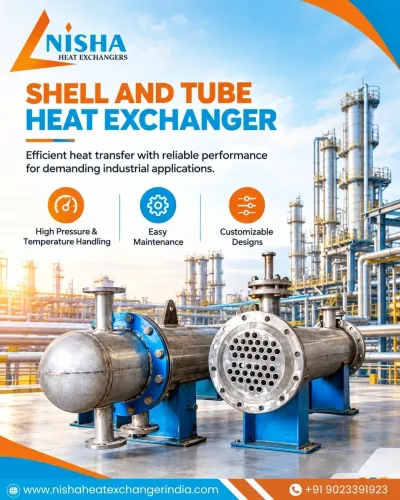
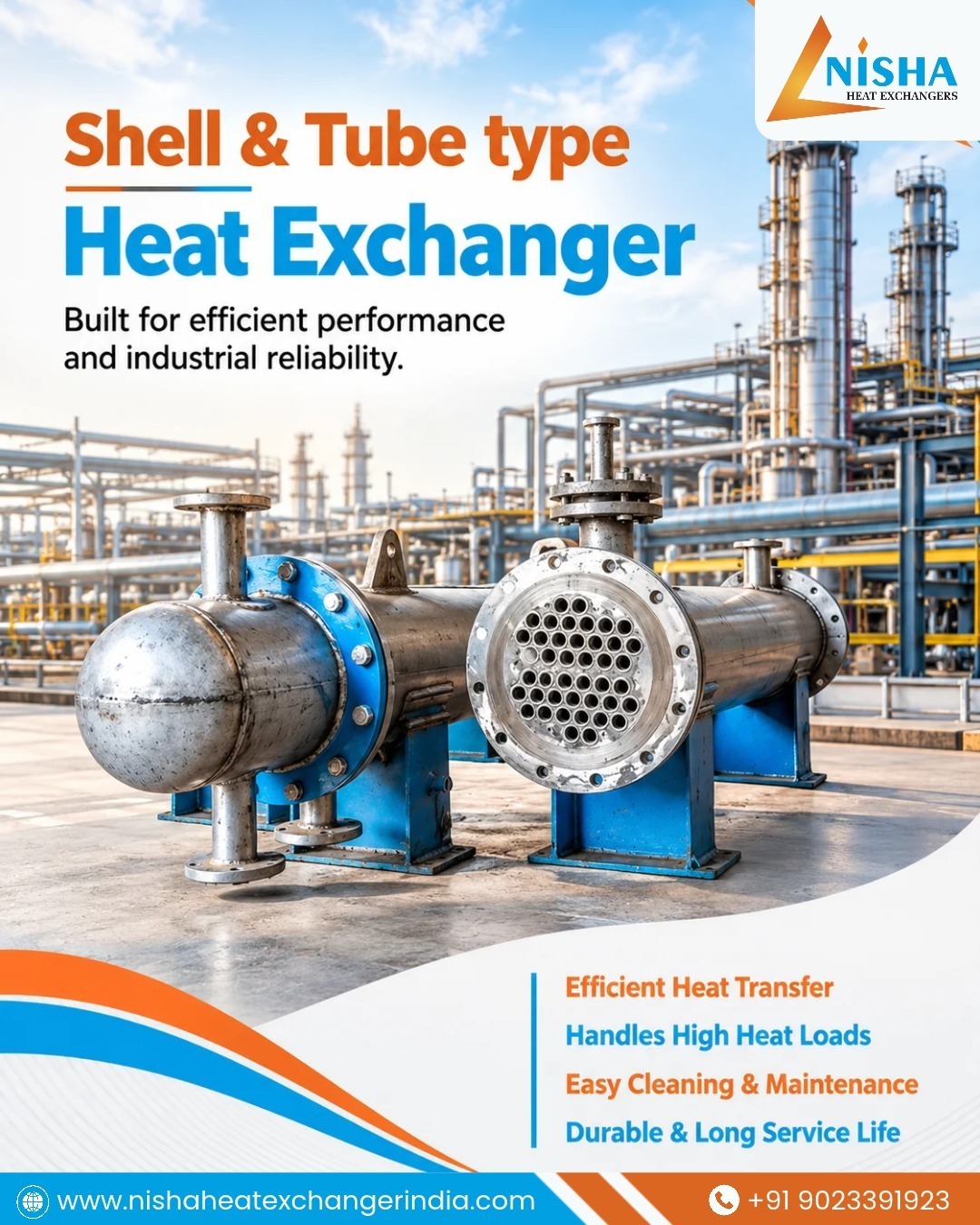
Nisha Shell & Tube Heat Exchangers feature a series of tubes housed inside a cylindrical outer shell, allowing heat to transfer efficiently between two fluids without mixing them during normal operation. One fluid travels through the tubes, while the other circulates within the shell, allowing efficient heat transfer between the two fluids.
Heat transfers through the tube walls without the two fluids mixing during normal operation.
Depending on the application, these heat exchangers can be configured for heating, cooling, condensation, or other thermal processes. Their design depends on fluid properties, operating pressure and temperature, and required heat-transfer capacity.
How Do Shell-and-Tube Heat Exchangers Improve Industrial Efficiency
A properly designed industrial shell-and-tube heat exchanger can improve process efficiency in several ways.
1. Efficient Heat Transfer
The tube bundle creates an effective heat-transfer surface, enabling thermal energy to move efficiently from one fluid to another. Appropriate equipment dimensions and well-planned fluid flow patterns help regulate process temperatures and ensure smooth, consistent performance across industrial applications.
2. Suitable for Demanding Operating Conditions
Depending on the materials and engineering design, a heavy-duty shell-and-tube heat exchanger can operate under specified high-temperature and high-pressure conditions. This makes it useful for industrial processes that require robust thermal equipment.
3. Supports Energy Recovery
Heat exchangers can transfer energy from hot process streams to cooler fluids. When integrated effectively into an industrial system, this heat recovery can reduce the demand for additional heating energy and improve overall energy utilization.
4. Simplifies Cleaning and Maintenance
Many shell-and-tube designs provide access to tubes for inspection and cleaning. Regular maintenance helps manage fouling, preserve heat transfer performance, and identify potential problems before they affect operations.
5. Promotes Reliable Performance
Appropriate material selection, correct installation, and routine inspection help maintain dependable equipment performance. Selecting a design that matches the application's operating conditions can also help reduce premature wear and unexpected downtime.
What Are the Applications of Nisha Shell & Tube Heat Exchangers
Nisha Shell & Tube Heat Exchangers suit a range of industrial applications, depending on their design and specifications.
Chemical Processing: Helps heat or cool process fluids.
Oil and Gas: Supports industrial heating, cooling, and heat recovery.
Power Generation: Transfers thermal energy in selected plant systems.
Petrochemical Industries: Supports temperature control in process operations.
Pharmaceutical Manufacturing: Helps maintain required temperatures in suitable production systems.
Food and Beverage Processing: Supports heating and cooling when designed for the applicable hygiene requirements.
General Manufacturing: Helps manage thermal energy in industrial equipment and production processes.
Select the right equipment based on fluid characteristics, required heat duty, pressure, temperature, and applicable industry standards.
How to Choose the Right Shell & Tube Heat Exchanger
Before selecting a Shell & Tube Heat Exchanger, consider the following factors:
Heat Transfer Capacity: Determine the required heating or cooling duty.
Operating Pressure and Temperature: Confirm that the design meets the intended operating conditions.
Material Compatibility: Select materials compatible with the fluid composition and corrosion risks.
Flow Rate: Evaluate the flow rates and properties of both fluids.
Maintenance Requirements: Consider access for cleaning, inspection needs, and fouling potential.
Installation Space: Check equipment dimensions, connections, and site requirements.
Energy Efficiency: Assess opportunities for heat recovery and improved thermal performance.
Discussing these details with Nisha Heat Exchanger can help you determine which equipment specifications suit your application.
Where Can You Find Nisha Shell & Tube Heat Exchangers in Ahmedabad, Gujarat, and India
Businesses looking for Nisha Shell & Tube Heat Exchangers in Ahmedabad should evaluate their heat transfer requirements, operating conditions, and product specifications before purchasing.
Companies searching for Nisha Shell & Tube Heat Exchangers in Gujarat can contact Nisha Heat Exchanger to discuss their industrial application and enquire about suitable equipment options.
Businesses sourcing Nisha Shell & Tube Heat Exchangers in India should confirm the required capacity, construction materials, operating pressure, temperature range, and maintenance needs. These details help ensure the selected heat exchanger fits the intended process.
Contact the company directly to verify product availability, customization options, delivery coverage, and technical specifications.
Nisha Shell & Tube Heat Exchangers can support industrial heating, cooling, and heat recovery processes when designed to meet the application's requirements. Their tube-based construction, adaptable configuration, and maintenance access make them suitable for a variety of industrial environments.
Selecting the right equipment requires careful consideration of thermal performance, fluid characteristics, operating conditions, and maintenance needs. Contact Nisha Heat Exchanger to discuss your industrial heat transfer needs and enquire about a suitable shell-and-tube heat exchanger for your business.
Frequently Asked Questions (FAQs)
1. What are Nisha Shell & Tube Heat Exchangers used for?
They are intended for industrial heat transfer applications such as heating, cooling, and heat recovery, depending on the equipment's design and specifications.
2. How does a shell and tube heat exchanger work?
In a shell and tube heat exchanger, one fluid moves through the tubes while the other circulates through the surrounding shell. Thermal energy transfers through the tube walls, allowing heat exchange between the two fluids without direct contact.
3. Where can I enquire about Nisha Shell & Tube Heat Exchangers in Ahmedabad?
Contact Nisha Heat Exchanger to discuss your requirements and confirm product availability, specifications, and purchasing options.
Keywords